
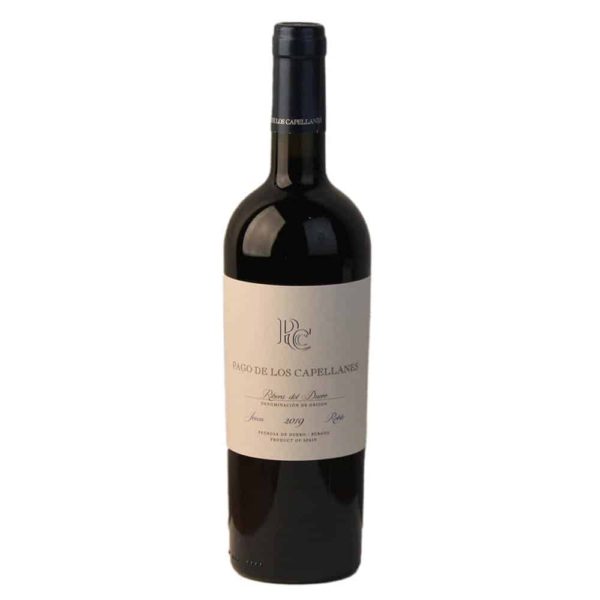
Valdeorras Godello by Pago de los Capellanes showing fresh, mineral character with aromatic dry style.
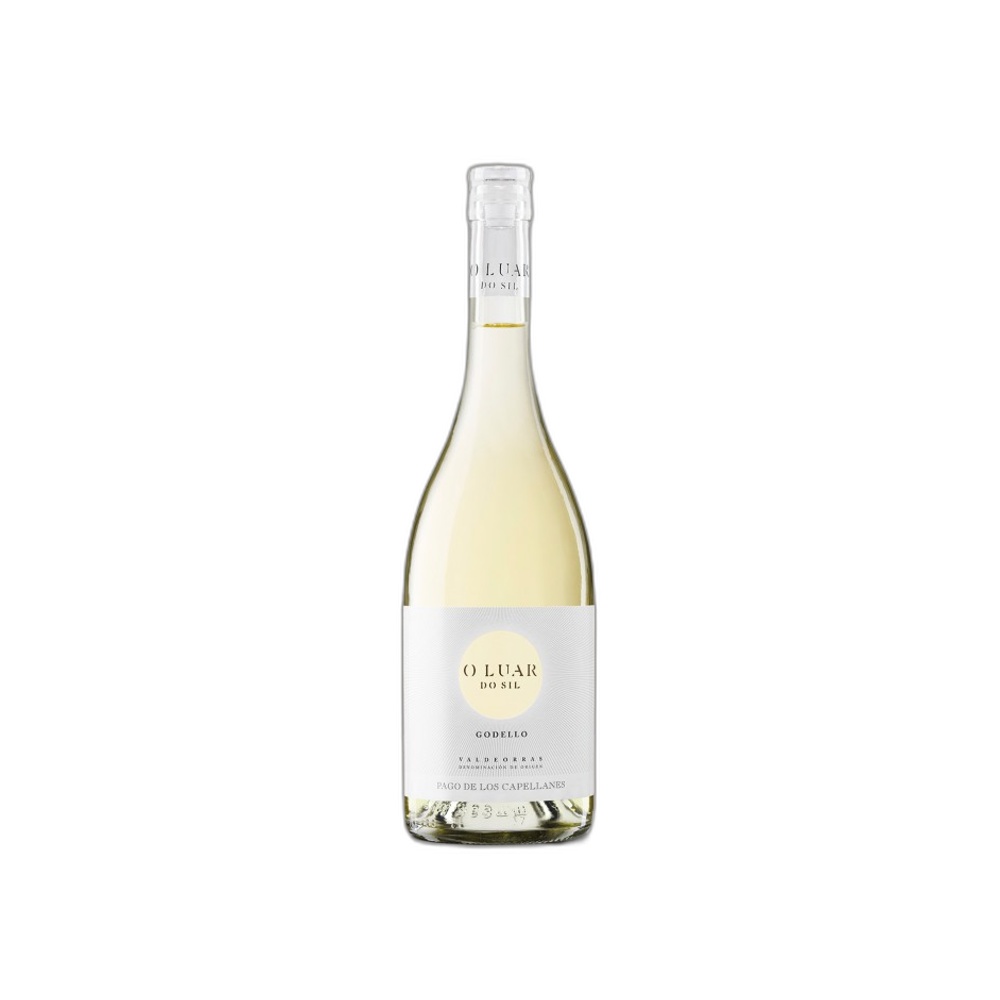
O Luar do Sil
£23.50
In stock
About This Wine
The Wine
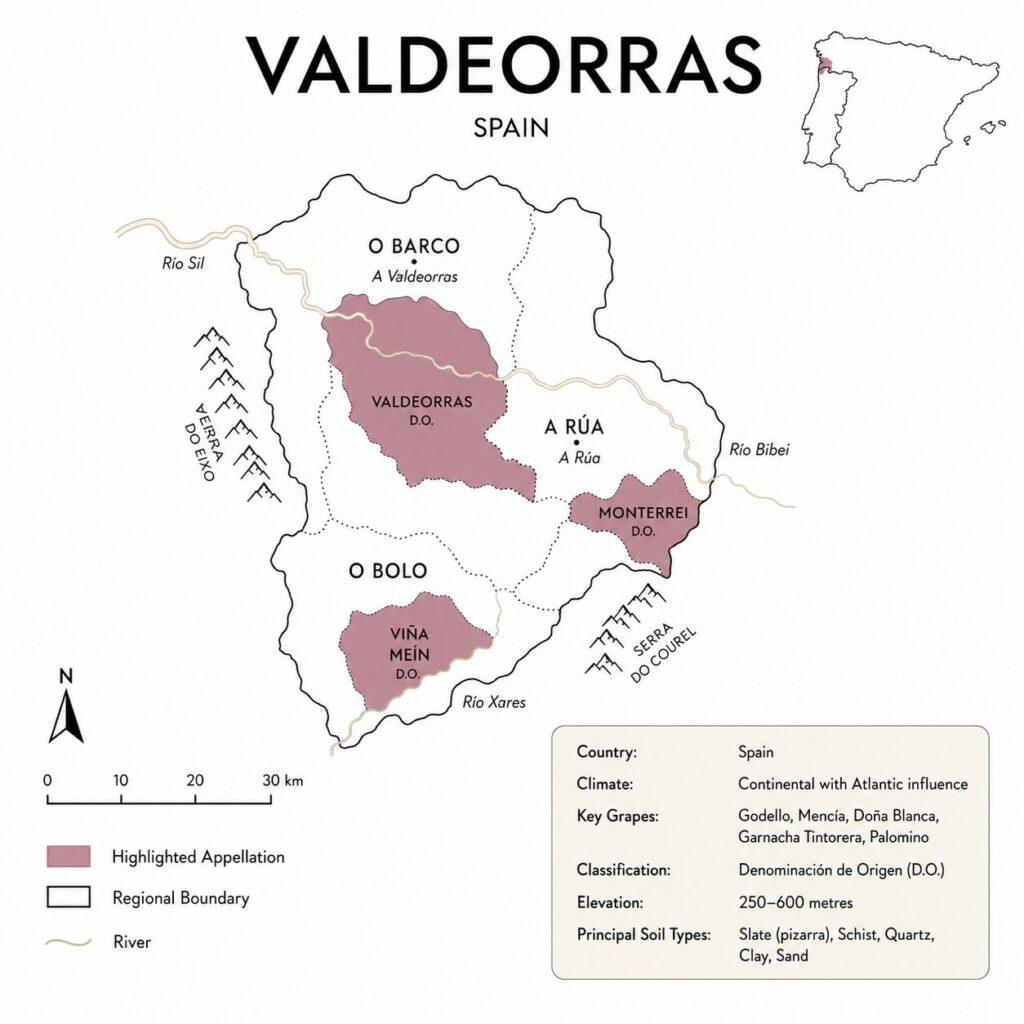
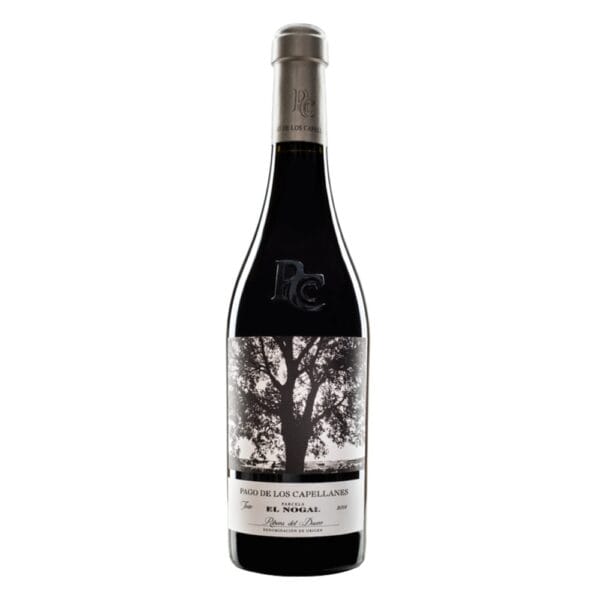
O Luar do Sil comes from the slopes of Valdeorras, where small vineyards sit among granite, slate and clay soils by the river Sil. Godello, the grape used here, has been revived in this region to express the distinctive minerality and freshness of the landscape. Pago de los Capellanes takes a careful, respectful approach to viticulture with hand-harvesting and attention to the individual vines. The wine reflects the mineral soils and the cool climate, delivering a fresh, pure style with aromatic qualities. This is one of the few white wines by this producer, known more for their Ribera del Duero reds, showing their interest in exploring the diverse terroirs of Spain.
- Producer
- Pago de los Capellanes
- Region
- Valdeorras
- Country
- Spanish Wine
- Grape
- Godello
- Style
- Aromatic and Dry
- Aging Potential
- 3-5 years
Tasting Notes
On the Nose
Aromas of fresh citrus and orchard fruit mingle with subtle mineral notes reflecting the slate and granite soils.
On the Palate
The palate offers crisp acidity balanced with fresh fruit flavours and a clear mineral core, maintaining a dry and elegant texture.
Finish
The finish is clean and persistent, with lingering mineral and citrus hints.
- Body
-
Light Full
- Dry / Sweetness
-
Dry Sweet
- Acidity
-
Low High
Food Pairing
Aperitif, Salad, White Meat, Fish, Seafood
Serving Suggestions
- Serving temperature
- 8-10°C
- Glass type
- Aromatic White
- Aging potential
- 3-5 years
Pago de los Capellanes
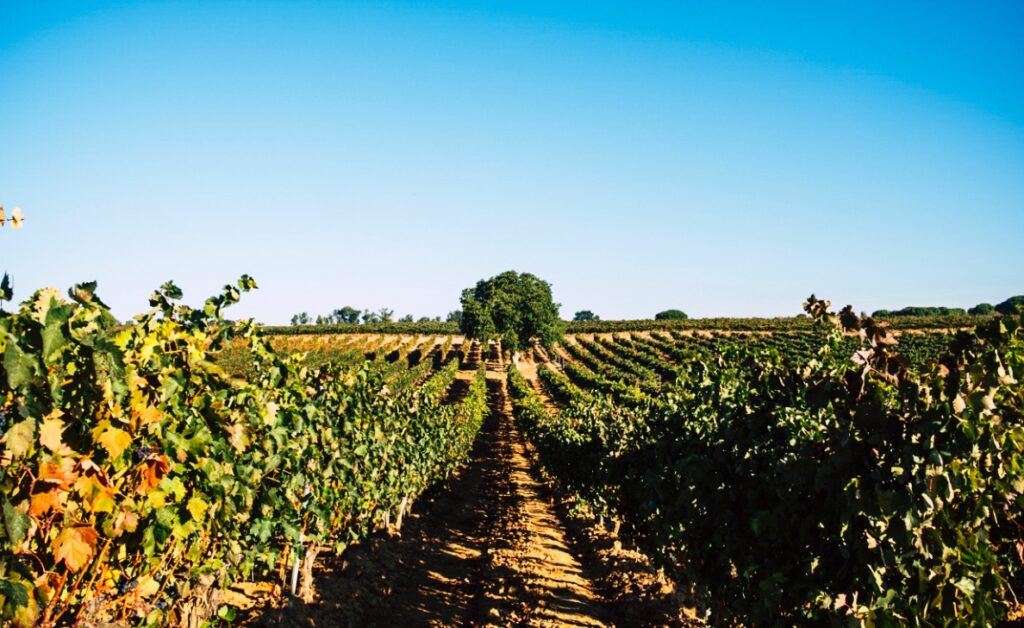
In the 15th century, the chaplains of Pedrosa de Duero, in the Ribera area of Burgos, obtained several vineyards as payment for tithes, masses and prayers. Over time, that property became one of the most renowned pagos, or estates, of the town. A true jewel of local viticulture that locals baptised with a name directly related to its origin.
After the disentailments of the 19th century, the famous vineyard of the Pedrosa chaplains was divided among several local families. Decades later, a modest farmer, Doroteo Rodero, came along to take care of some of these vineyards. In his role as a trainee doctor, Doroteo was very well liked in the village. It is said that after spending the day in the vineyard, he always washed to visit his patients and dedicated all his care and attention to them.
Raised among tinto fino vines, Doroteo Rodero’s son, Paco, recovered the family vineyard in Pedrosa and together with his wife, Conchita Villa, began to expand the property. They were among the first winegrowers in the Ribera del Duero Designation of Origin and together they set up the winery at the foot of the vineyards in 1996. Later a second generation joined Pago de los Capellanes, with Estefanía Rodero Villa, the daughter of Paco and Conchita. With her, the family continuity of the winery and the projects that have led us to other areas and landscapes is assured.
In 2014, we realized our dream of producing white wines that follow the same philosophy as the Pago de los Capellanes reds: intensity, character, complexity and aptitude for long ageing. These virtues were waiting for us more than 300 kilometres to the west, in the small and traditional zone of Valdeorras in Galicia. This is how O Luar do Sil, the family’s second winery, was born.
On the southern edge of the Ribera del Duero, we travel along new paths on the slopes of Fuentenebro. Its vines, planted in red earth at an altitude of 1,000 metres, show a fresh, lively and subtle identity. With them, we begin to write the future chapters of our family’s history.
Technical Details
- Bottle size
- 750ml
- Closure
- Vino-Lok
- Serving temperature
- 8-10°C
Terroir
The vineyards are located on the mineral-rich slopes of the Sil river valley in Valdeorras, Galicia. The soils combine granite, slate, clay, and xabre, contributing as well to the intense freshness and minerality of the wine. The terrain is fragmented with smallholdings worked mostly by hand, maintaining ancestral viticulture traditions and adapting to the challenges of the landscape.